"What are you?"
— Oscar Wilde
"To define is to limit."
But given the context, I'll try briefly.
I've spent the last 6 years building, scaling, succeeding, and failing - from investment banking at Goldman Sachs, to scaling the P&L of a D2C brand to $12M ARR, to shipping 3 products in 9 months as a founder. All these opportunities have shaped me in one way or another.
This page is how I think, what I've built, and what I've learned.
What I've built
Products I've built as a founder - some as startup ventures, others as tools I use daily. The ventures were real bets with proper supply chains, fundraising, design partners, and paying customers.
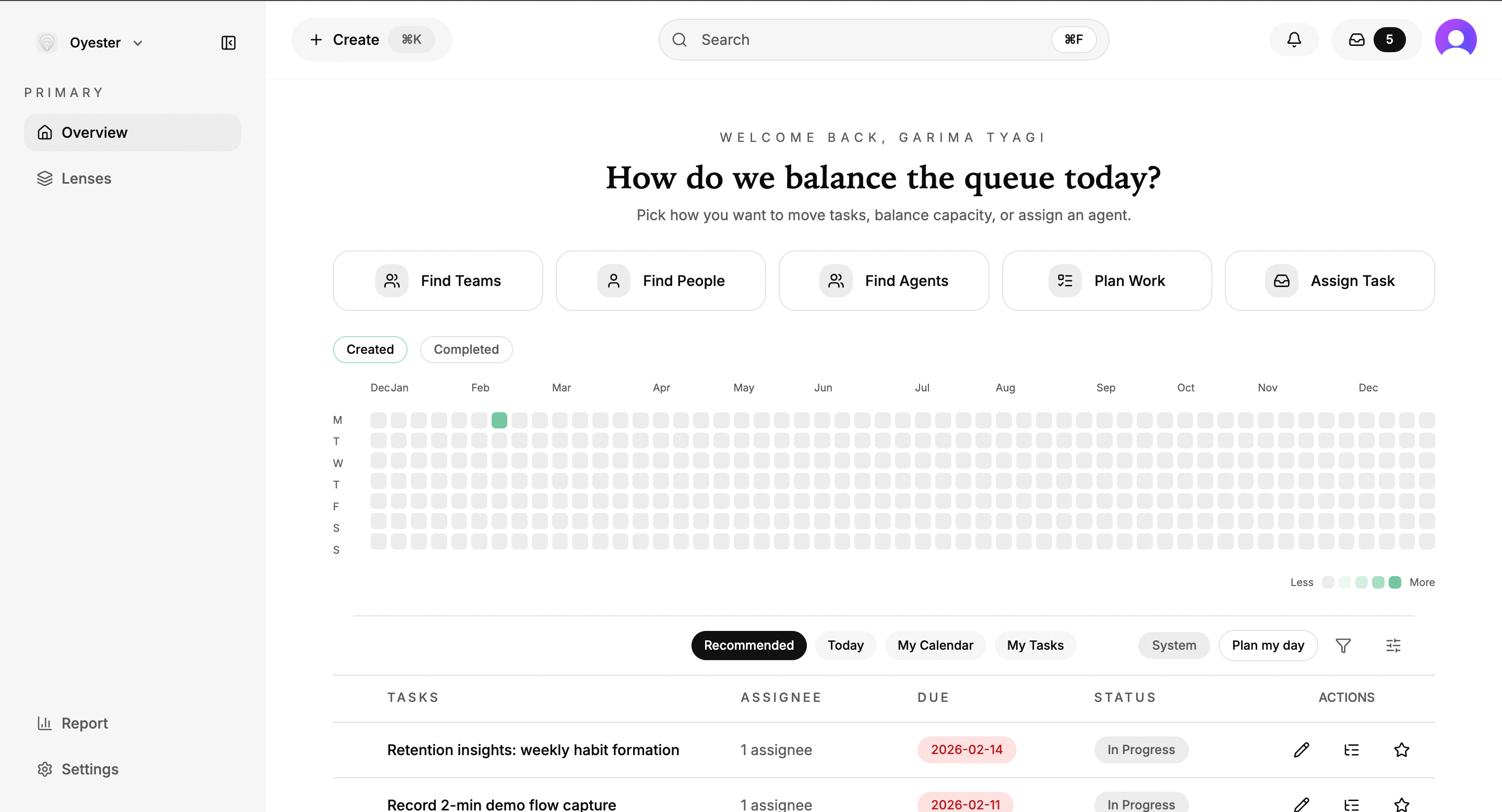
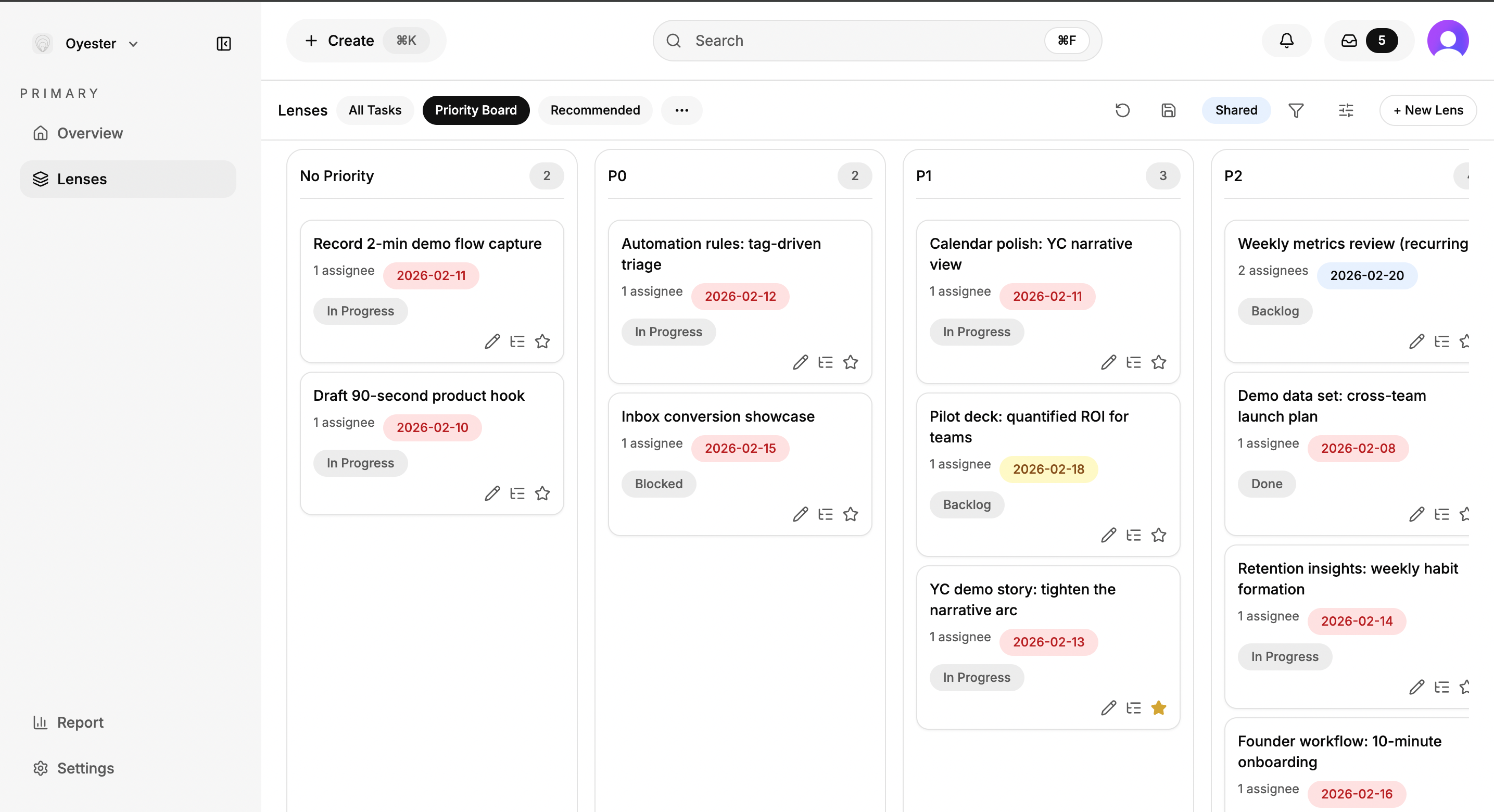
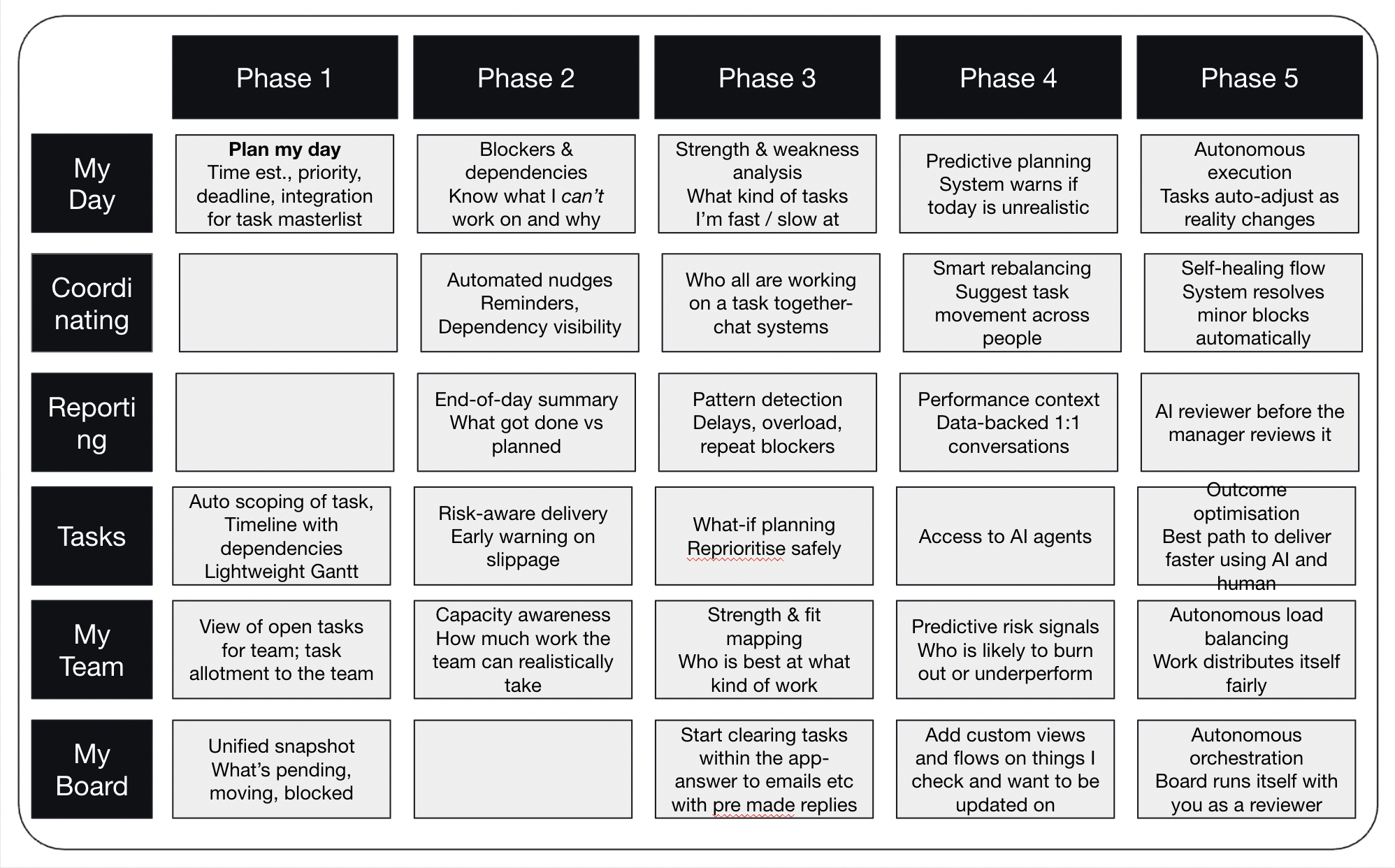
Oyester: AI-Native Work Management
We set out to build an AI-native work management platform that could automatically capture tasks and drive execution - reducing the manual overhead of "updating tools" and helping teams increase output without adding headcount. In a short build cycle, we shipped an early beta, scaled the concept to a Top 10% Y Combinator application in under 30 days, ran 30+ design partner sessions, and brought in teams from Peesafe, Shaadi, S45, and Asva AI as early partners. The automated task-capture engine cut manual project tracking effort by 60%+ in pilot teams.
What I learned
- Co-founder alignment isn't a "soft" thing. You need high trust, complementary skills, equal motivation, and alignment on the kind of company you want to build. I didn't do enough diligence on my co-founder. That was my mistake.
- Clarity beats consensus. We should've enforced a decision system early - single owner for product calls, clear escalation, hard deadlines.
- A beta doesn't just test the product - it tests the partnership.
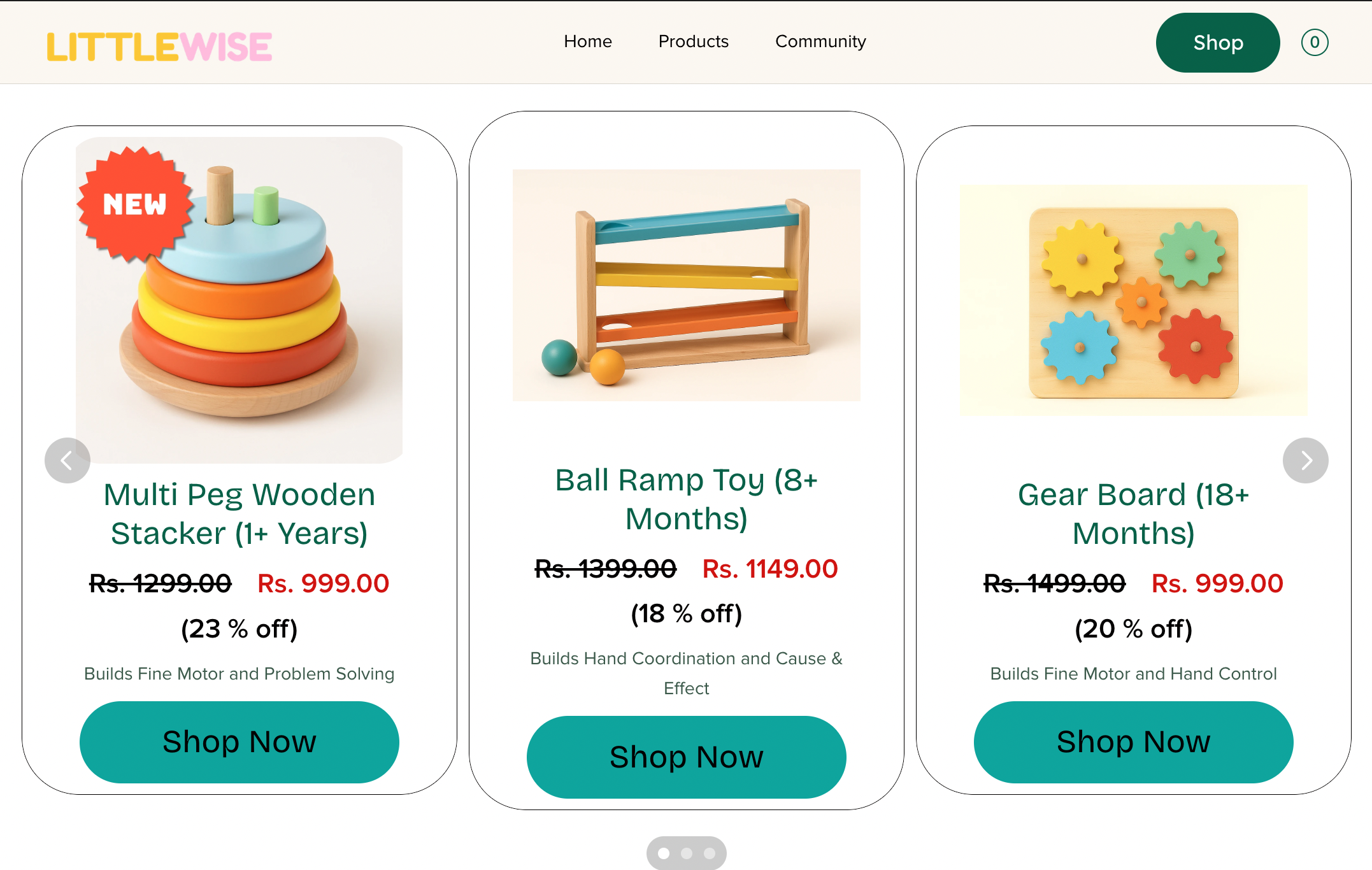
Littlewise: Premium Development Toys
Built a D2C brand for premium wooden developmental toys for 0-3 year olds. Bootstrapped to 1000+ orders, built a 200+ parent WhatsApp community, and launched 5 SKUs in three months. Also organised a summer camp for children aged 5-8 with 100+ participants. Generated 15L+ revenue overall through Meta ads, organic influencer collabs, and offline events.
What I learned
- The gap between "better" and "worth paying more" was smaller than expected. Our incremental value wasn't large enough to justify the incremental price for most parents.
- Stay close to customers before you scale. The first few months are iterative - your direction changes constantly.
- The mass market dominates. Even in marketplaces, the winners are typically value + volume, not quality-first niche products.
Calorify: Strava for Meal Tracking
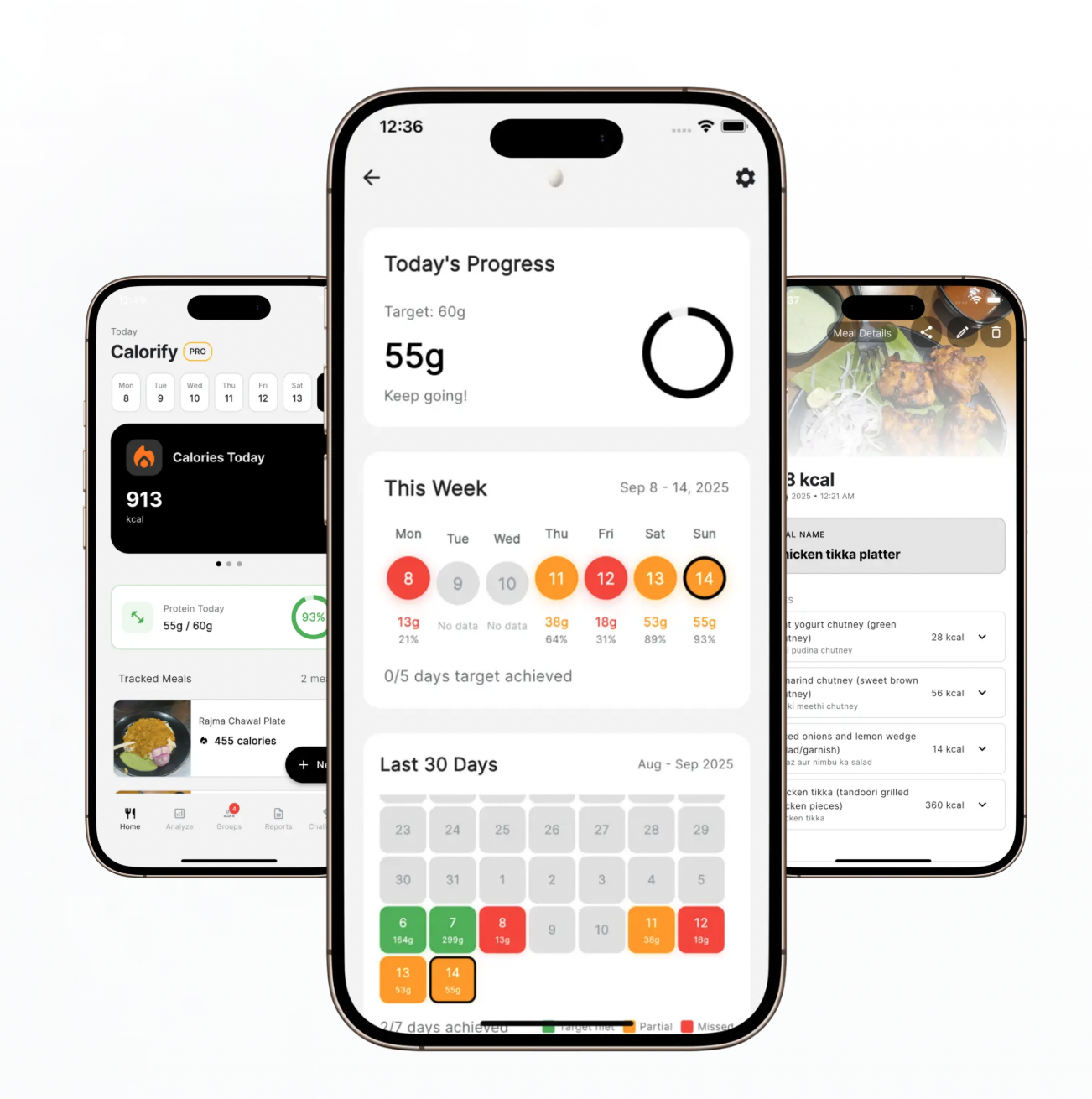
Built India's first photo-based calorie tracker designed specifically for local Indian meals. Most calorie tracking apps are built for Western diets - they can identify a burger but not rajma chawal. Scaled to 10K+ users with 500K+ content views. I personally built the content engine from scratch - UGC reels, influencer strategy, Instagram growth.
What I learned
- Market selection and differentiation matter more than execution. If you're not meaningfully different, you're competing on spend and speed.
- Acquisition brings users in, but retention is the business.
- Tracking products carry built-in friction. Most consumers won't consistently take on extra effort unless the payoff is immediate and obvious.
AI tools I've built
Products that started as personal needs - built using Claude Code and Claude.
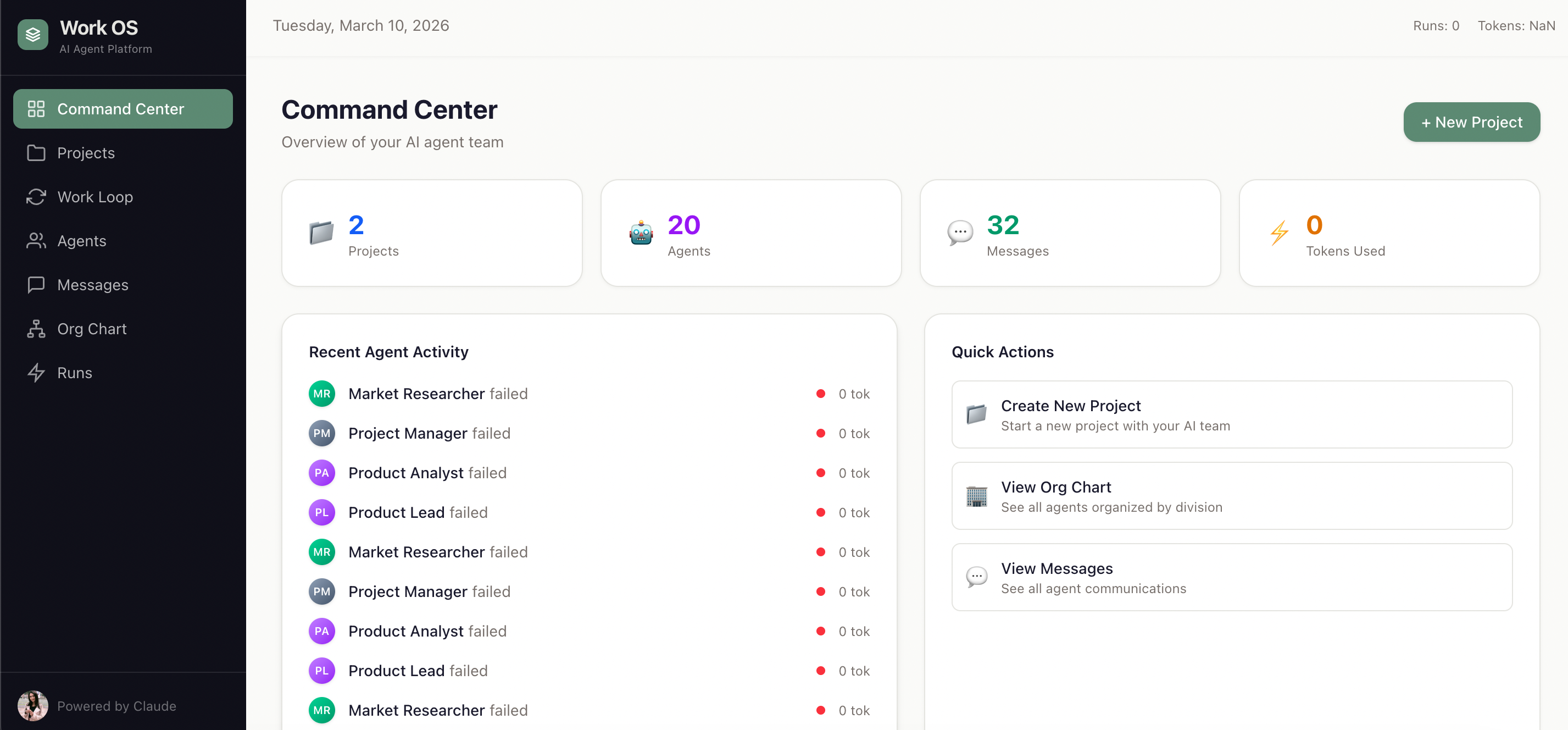
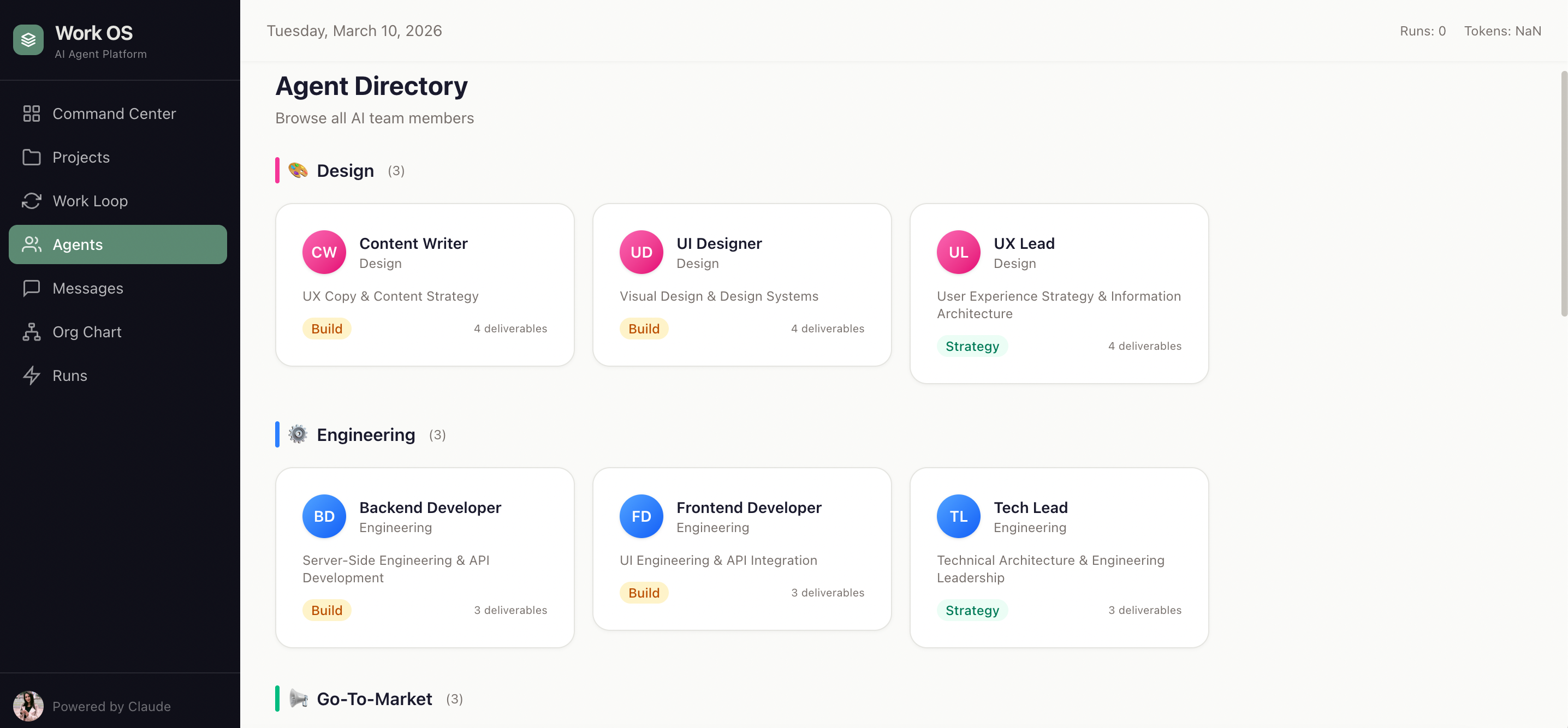
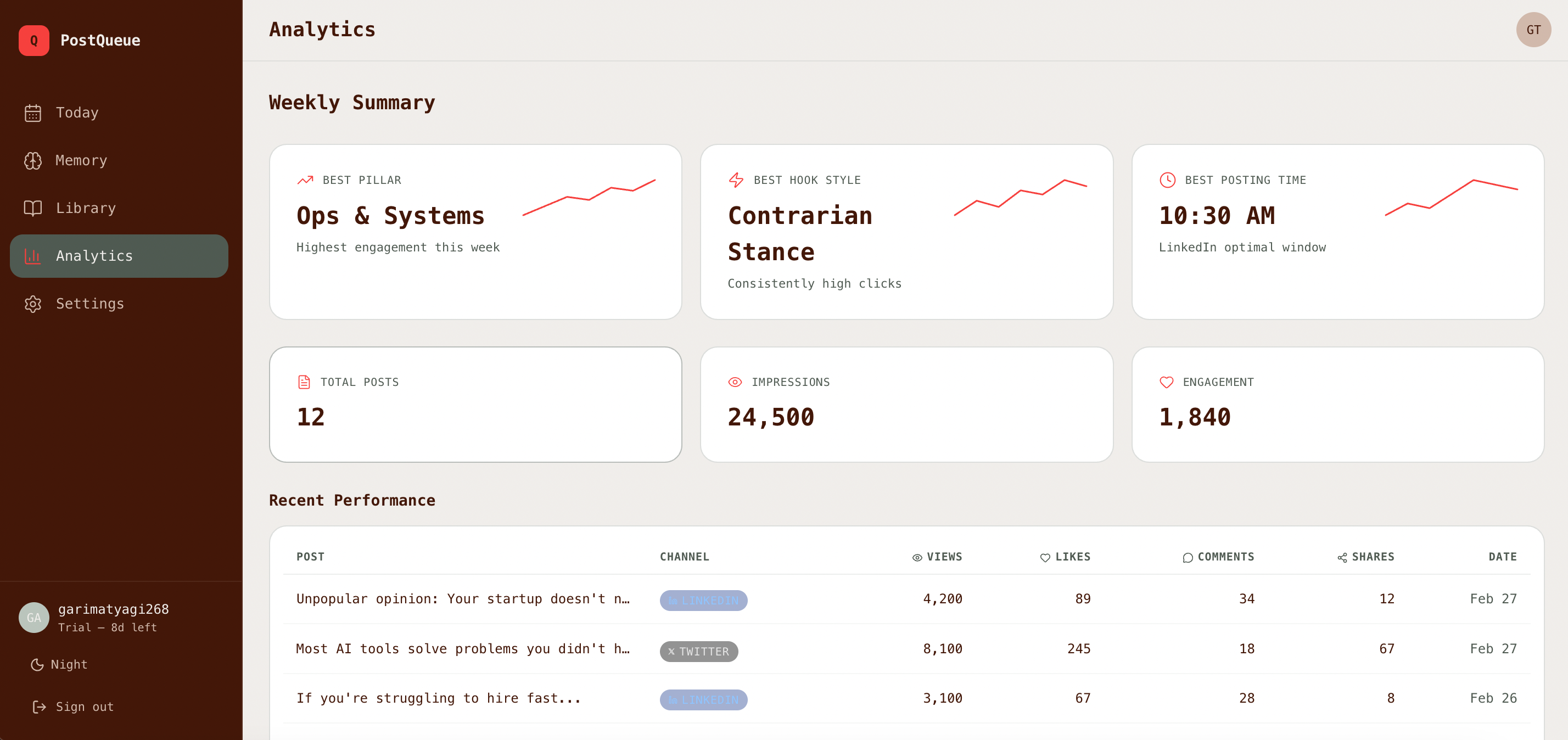
Agency OS — My personal operating system. AI agents across functions - content, research, GTM.
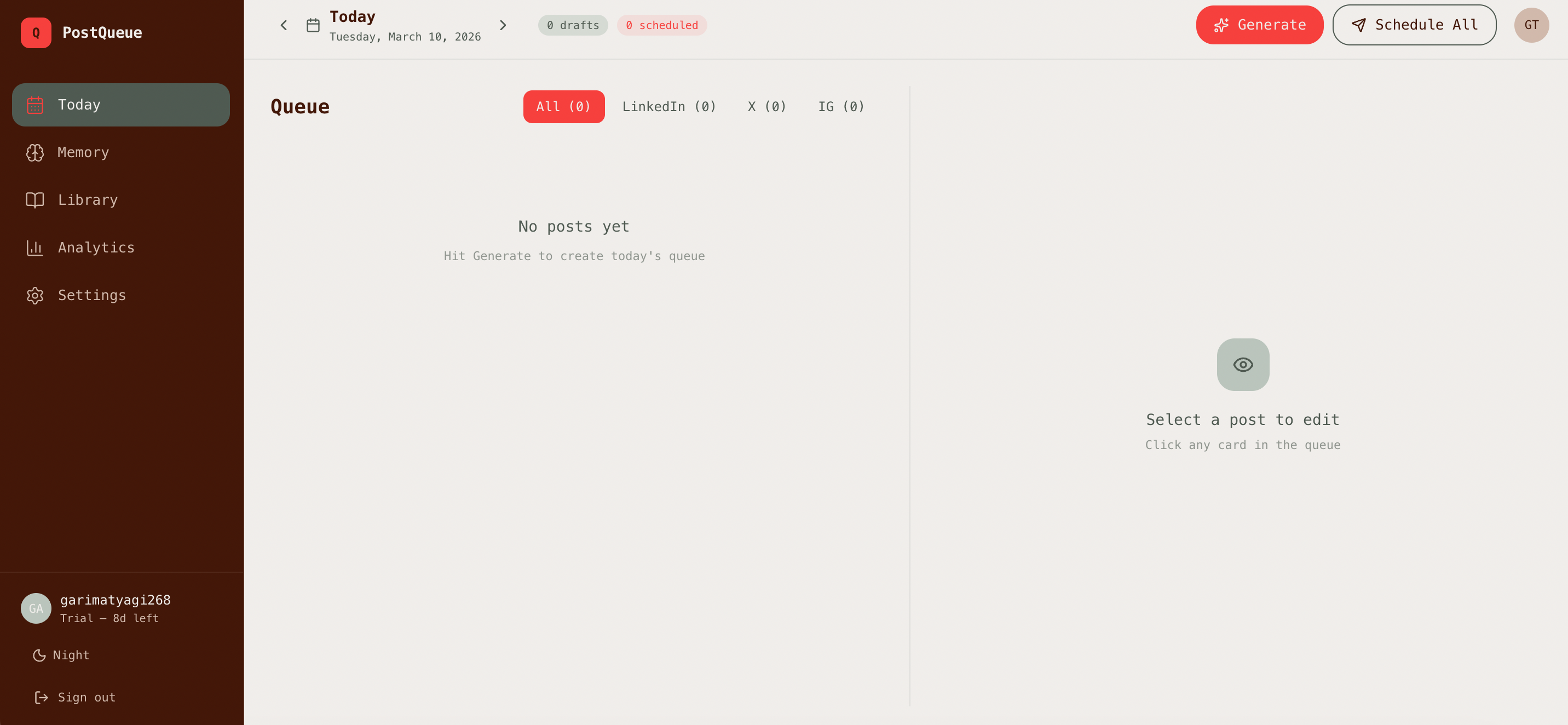
DailyQ — Multi-platform content manager. Plan, schedule, publish across X, LinkedIn, Instagram. 25+ beta users.
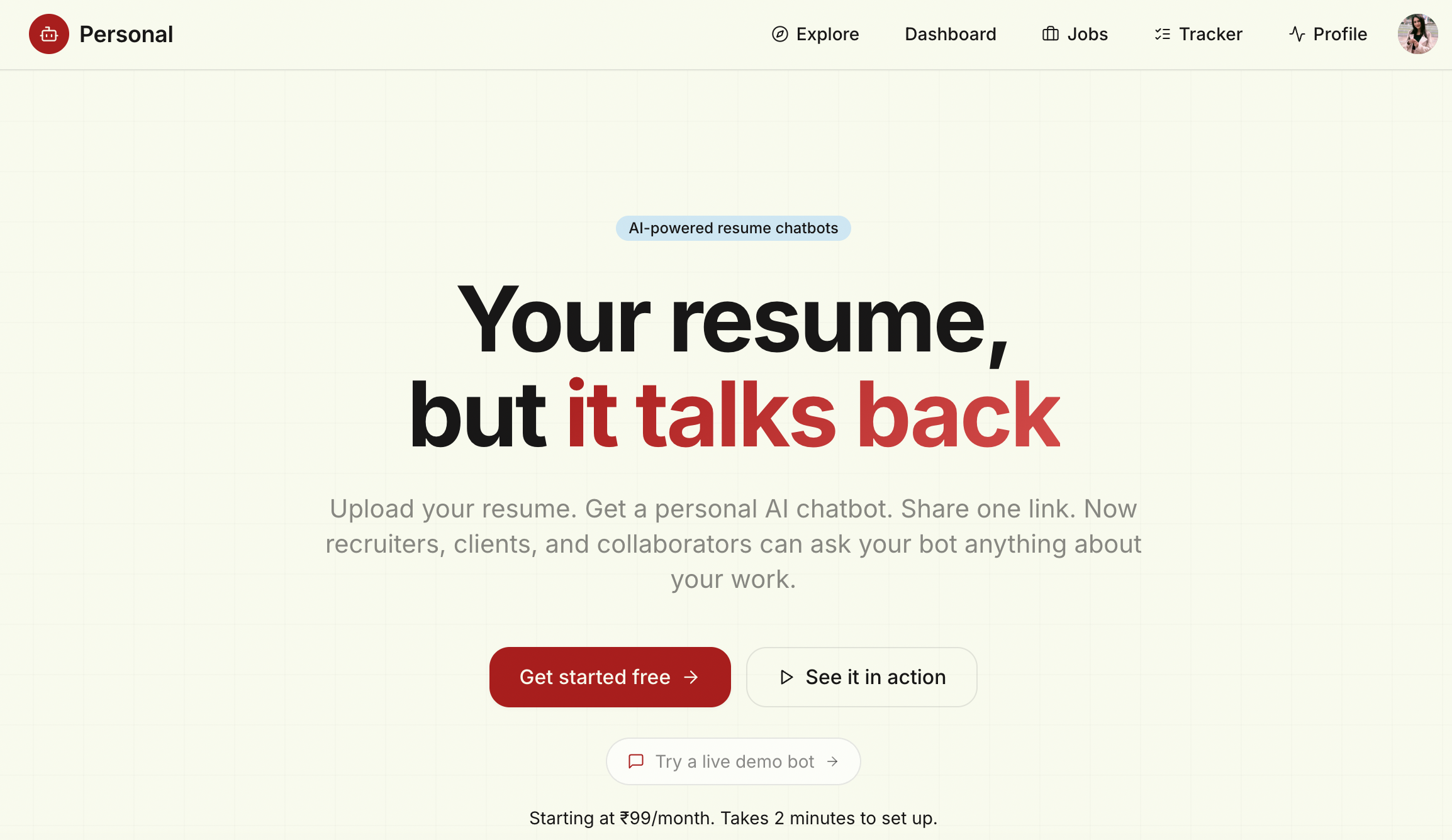
MyPersonal.ink — AI chatbot trained on your work history. Built for myself, friends started asking, 50+ users.
Also built: 365Tasks, DJ Vault, KiddieCal, Pengo, Errnd, AI Threat Level
Where I've worked
Loop Kitchen — AI Products & Strategy
Building AI-driven product and growth strategy for a food-tech platform. Shipped an internal QC tool for the data pipeline to maintain data accuracy and completeness - reducing QC effort by 50%+.
MyMuse — Scaled the Company P&L
I joined MyMuse - a sexual wellness D2C brand - when the team was about 10 people and they were in the middle of raising their seed round. A half-hour interview turned into an hour-and-a-half discussion about life, business, and what we wanted to build. I was looking for mentorship at that stage, and they were the kind of leaders I wanted to learn from.
I came in as essentially the #2 to the co-founders and stayed close to that lane throughout - owning key levers like revenue growth, fundraising, investor relations, and cash flow.
Year 1-2 (Chief of Staff)
- Led Series A fundraising - $2.7M in equity + $1.2M in debt, achieving 4.5x valuation growth
- Built the 18-month budget and forecasting model that anchored the entire investor narrative
- Identified 3 new revenue lines and 25% in cost-saving opportunities
- Launched a new sexual health vertical from scratch - contributing ~10% of incremental category revenue
- Reduced burn by 22%, improved working capital by 18 days
- Highest company-wide performance award (1 out of 50) and a 200%+ bonus
Year 3 (Head of Business)
- Owned the full P&L for the $8M+ ARR brand
- Scaled MRR from ~$200K to ~$700K (peaking at $1M), delivering the company's first profitable quarter
- Drove a 2.5x ROAS improvement
- Launched 3 new Q-Commerce channels that scaled to ~50% of total revenue in 6 months
- Led 20+ cross-functional members across product, ops, and marketing
What I learned
- People are the hardest part. The biggest learning was how to get things done through influence, not authority - managing up to founders, down to teams, and sideways to stakeholders who don't report to you.
- Ship and test, don't deliberate. The more you try, the more likely you are to be right.
- The highest-leverage thing I did was talk to customers. Not surveys - real conversations.
- By the end of year three, the co-founders offered to invest in my next venture. That trust signal says more than any written recommendation.
Goldman Sachs — Investment Banking Division
Goldman was my first job and a big milestone. My university didn't have active placements, so I got in through cold outreach - dozens of emails to anyone I could find who worked there. Worked on financial modeling, pitch decks, M&A, and capital raises across CPG, retail, and industrials. Deal values ranged from $50M to $500M.
What I learned
- Respect the learning curve. The first few months were brutal. But the results compound - the financial rigor I built at Goldman became one of my biggest assets as an operator later.
- Find real value in your work. If you don't care about what you're doing, you can't sustain the intensity that good work requires.
How I work
My AI stack
Goal for 2026: fire myself from most "low value" work.
- Pre-call notes & branding: ChatGPT
- Transcripts: Granola
- Analysis: NotebookLM + ChatGPT
- Lead gen: Clay
- Prototypes: Claude Code
- Images: Gemini
- Voice: ElevenLabs
- Workflows: Conductor
- Voice-to-text: Wispr Flow
Operating principles
- Tight feedback loops. Real users every week.
- Ship something weekly. Even if it's small.
- Weekly retro. One behavior to change.
- One compounding skill at a time. 4-6 weeks.
- Seek discomfort. Harder problems over safe ones.
- Decision hygiene. Write it down, review outcomes monthly.
- Protect depth. 2-3 deep-work blocks per week.
Writing
I write at Letters by G — startup reflections and notes from building.
How I think
My tech stack changes every few weeks. While updating this website, I realised how much has already shifted. Either it's me upgrading or the world moving faster than ever (or both).
As I've stopped trying to anchor myself to tools or frameworks. What stays core is simpler: hard work, empathy, ethics, and impact.
My first manager told me to put my head down and work and that the results will show eventually. That advice saved me during the early months of entrepreneurship, where you can go weeks without any visible progress. Sometimes the results came in clusters, all at once, after months of nothing.
My dad's only expectation of me is to be a good person and he said that everything else is secondary. I hold that very high. Whenever there's a choice between something else and doing the right thing, I go back to that. We're a composite of the values we hold. And we lose ourselves when we let go of the things that hold us together.
What I've figured out more recently is what actually makes me feel alive - growth and impact. Not growth as a metric. Growth as a feeling - the feeling of being meaningfully better at something today than I was last month. And impact as in: something that I'm working on has actual use case. There are actual people (or bots lol) that use it.
About
Born and currently living in Delhi, India. I was born into a joint family (2-3x more people to love you), but I now prefer living alone as I work better in isolation.
I love building relationships, especially in one-on-one settings. I prefer deep relationships over transactional ones, and my brain enjoys decoding how people think and what motivates them.
I love doing good work. For someone who wasn't at the top of the class in school, work has brought a lot of validation into my life. I've worked across policy, banking, and consumer startups and realized I enjoy startups the most.
I want the next phase of my life to be more nonlinear and unstructured. Exploring and traveling is something new for me - I realized my comfort zone wasn't preference, it was inertia.
Education
B.A. (Hons) in Economics — Daulat Ram College, University of Delhi (2017-2020)
I was a weak student until 10th grade. Studied hard in 11th-12th, got into Delhi University, and decided to make up for lost time.
- 5 internships: EY India, National Stock Exchange, Axis Capital, BDO India, NITI Aayog (return offers from three)
- Founded 180 Degrees Consulting at my college - built it to a 40+ member team operating across APAC chapters
- Field Research Assistant to Prof. Ronak Jain, Harvard University - led 200+ community interviews on mental health
- Co-founded a weekend teaching initiative for underprivileged students near campus
Chat with me
Ask anything about what I've done, how I think, or what I'd bring to your team.